
You set your own personal goal, and we help you achieve it with coaching, medication, and other tools and resources. While drinking may not cause “alcoholic nose,” getting help to quit drinking can make the condition much easier to manage. Porphyria cutanea tarda (PCT) is another indicator of liver disease and is most commonly caused by alcohol use disorder. Sunshine Behavioral Health strives to help people who are facing substance abuse, addiction, mental health disorders, or a combination of these conditions.
What Is Rhinophyma, or Alcoholic Nose?
Other symptoms of an alcoholic nose may include a burning or itching sensation on the affected skin and the appearance of small, red bumps. In some cases, individuals with an alcoholic nose may also experience acne or seborrheic dermatitis. The redness and swelling may be more noticeable after consuming alcohol or during times of emotional stress. It is found that among the Asian population, many people suffer from a deficiency of alcohol dehydrogenase. When alcohol is consumed, it enters the cells of blood vessels and dilates them, making the consumer feel warm.
- First, they’ll ask you what symptoms you’re experiencing and look at your face to see if your nose is starting to show the signs.
- Alcohol disrupts iron metabolism, a major factor in PCT, a rare skin condition causing fragility, blistering, and scarring.
- While not a direct cause, chronic alcohol abuse can indirectly increase the risk of nosebleeds by impairing blood clotting, causing liver damage, and dehydrating nasal membranes.
How Can You Regain Confidence During Rhinophyma Treatment?
People who drink heavily are more likely to aggravate and worsen the symptoms of both rhinophyma and rosacea, although alcohol is not known to specifically cause these conditions. If this skin condition is left alcoholic nose untreated, it can severely affect the appearance of the nose. It may become lumpy and misshapen, and the tip of the nose can become so enlarged that it obstructs the nostrils. It is thought that diet may contribute, particularly alcohol and spicy foods.
Feeling trapped by addiction? Help is available.
There are many effective treatments for alcohol addiction, and Zinnia Health can give you the support you need to overcome your addiction and start living a healthier life. We offer various treatment options, including inpatient and outpatient programs, and our staff is dedicated to helping each patient achieve lasting sobriety. Although the actual cause of rhinophyma remains unknown, we know that it’s an extreme form of rosacea, a condition that causes the skin to experience chronic inflammation. As one of the worst types of rosacea, rhinophyma gradually develops over the years, eventually resulting in the red, bumpy, and inflamed appearance that alcoholic nose is known for. Charles Dickens reinforced these images through characters with pronounced nasal deformities linked to excessive drinking.

In summary, seeking professional assessment is not just about repairing the nose but about ensuring a safe, effective, and sustainable solution to rhinophyma. Consistency and patience are key, as repairing damaged skin is a gradual process. With the right approach, significant improvements in both skin appearance and overall health can be achieved.
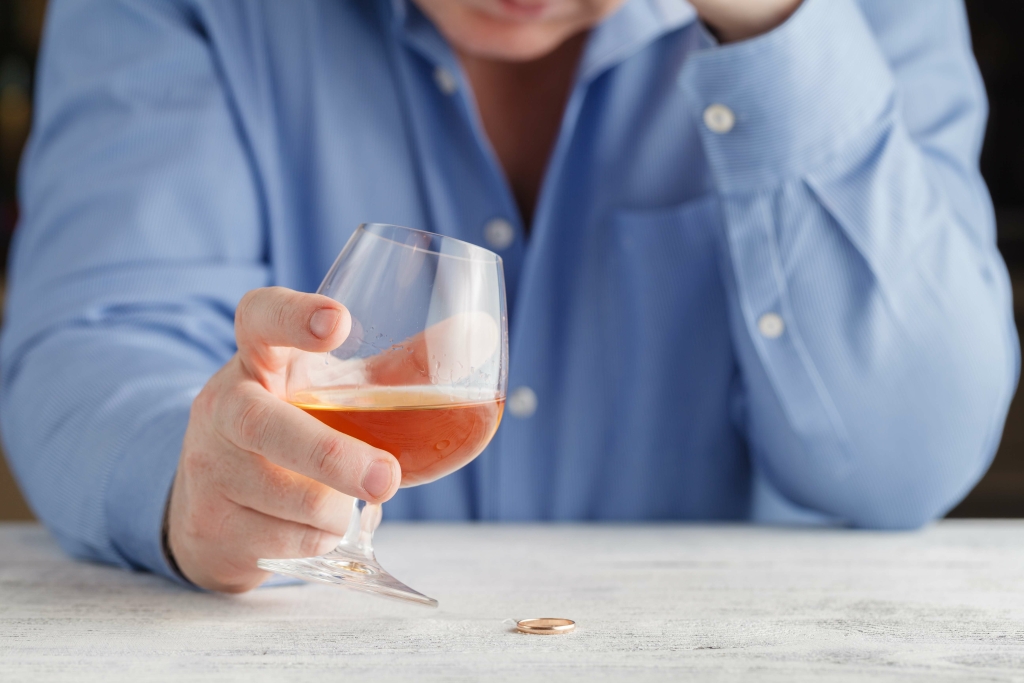
While Rhinophyma is not directly caused by alcohol consumption, alcohol can trigger or worsen the symptoms of rosacea like redness on the skin. When the capillaries on the surface of the nose break they can then appear purple. Ultimately, one of the biggest signs that you have a drinking problem is if you alcohol rehab are experiencing withdrawal symptoms upon trying to reduce or completely stop your alcohol intake.
Treating rhinophyma as soon as possible helps prevent worsening symptoms and permanent disfigurement. You’ll consult with your doctor about the best course of action to help you reduce the appearance of rhinophyma so you can https://ecosoberhouse.com/ get your confidence back. Rhinophyma may be called alcoholic or whiskey nose, but there’s little connection between the condition and drinking. Learn more about rhinophyma, the relationship with alcohol and what treatment options are available. Once rhinophyma becomes severe, there are visible and obvious changes to the shape, skin and size of the nose. In many cases, doctors are not able to definitively find the cause of rhinophyma.
- A dermatologist can accurately diagnose rhinophyma and rosacea and recommend appropriate treatments.
- Because this stage is characterized by progressive dilation of nasal blood vessels, cysts, and pustules, the nose can become disfigured.
- Alcoholic nose is a severe form of rosacea, a chronic skin condition that affects the face.
- Similarly, just because some people experience reddening skin while drinking, there is no solid evidence to link the skin condition to alcohol consumption.
But it is still linked to chronic skin inflammation because it can aggravate flare-ups. With centers all around Oregon, Serenity Lane makes your physical and mental health our No. 1 priority. At most, excessive drinking can increase someone’s risk of developing rosacea. In addition to reducing alcohol consumption, treatment may also involve the use of topical creams or medications to alleviate the symptoms of alcoholic nose. These may include antibiotics to treat any underlying bacterial infection, as well as creams or ointments containing corticosteroids or retinoids to reduce inflammation and redness.